Blog

SS 310 vs 310S Flat Bar: Which Grade Is Right for Your Application?
310 ss flat bar

Carbon content separates SS 310 from SS 310S, and that single difference decides which grade suits your application. Both are heat-resistant austenitic stainless steels with high chromium and nickel levels, so both resist oxidation and scaling at elevated temperatures. The lower carbon in 310S reduces the risk of sensitisation during welding, while 310 is used … Read more
What is 310 Stainless Steel Flat Bar? Properties, Uses & Specifications

310 ss flat bar

310 stainless steel flat bar is a high-alloy austenitic product built for service where heat and oxidation govern material choice. Buyers comparing 310 SS flat bar exporters begin with grade confirmation, then move to dimensions and certification. This article covers its properties, applicable specifications, industrial uses, and the selection factors that matter before a purchase … Read more

Stainless Steel Flat Bar Grades: 304, 316, 321 & 410 Explained

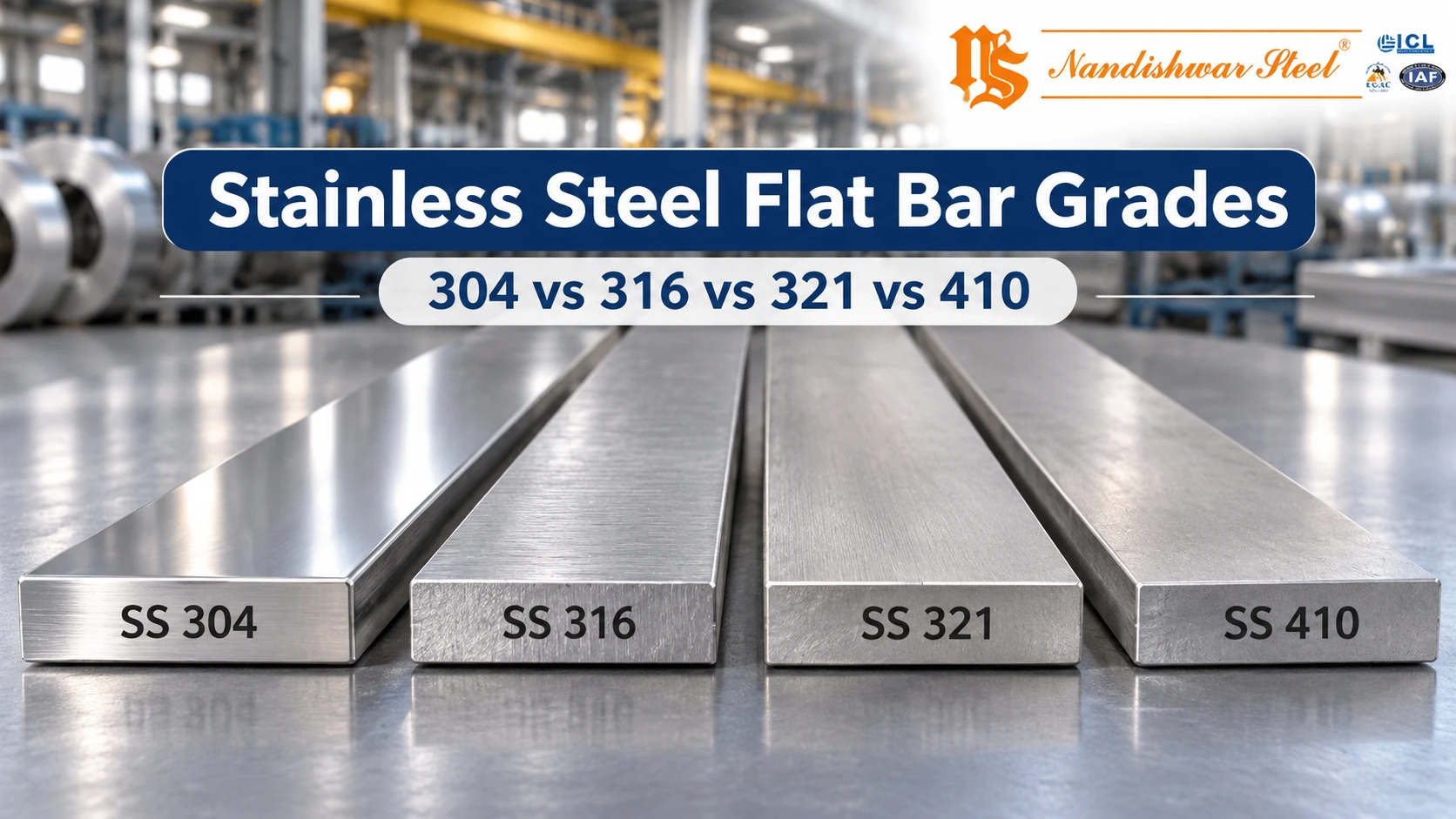
Stainless steel flat bars in grades SS 304, SS 316, SS 321 and SS 410 compared - Nandishwar Steel

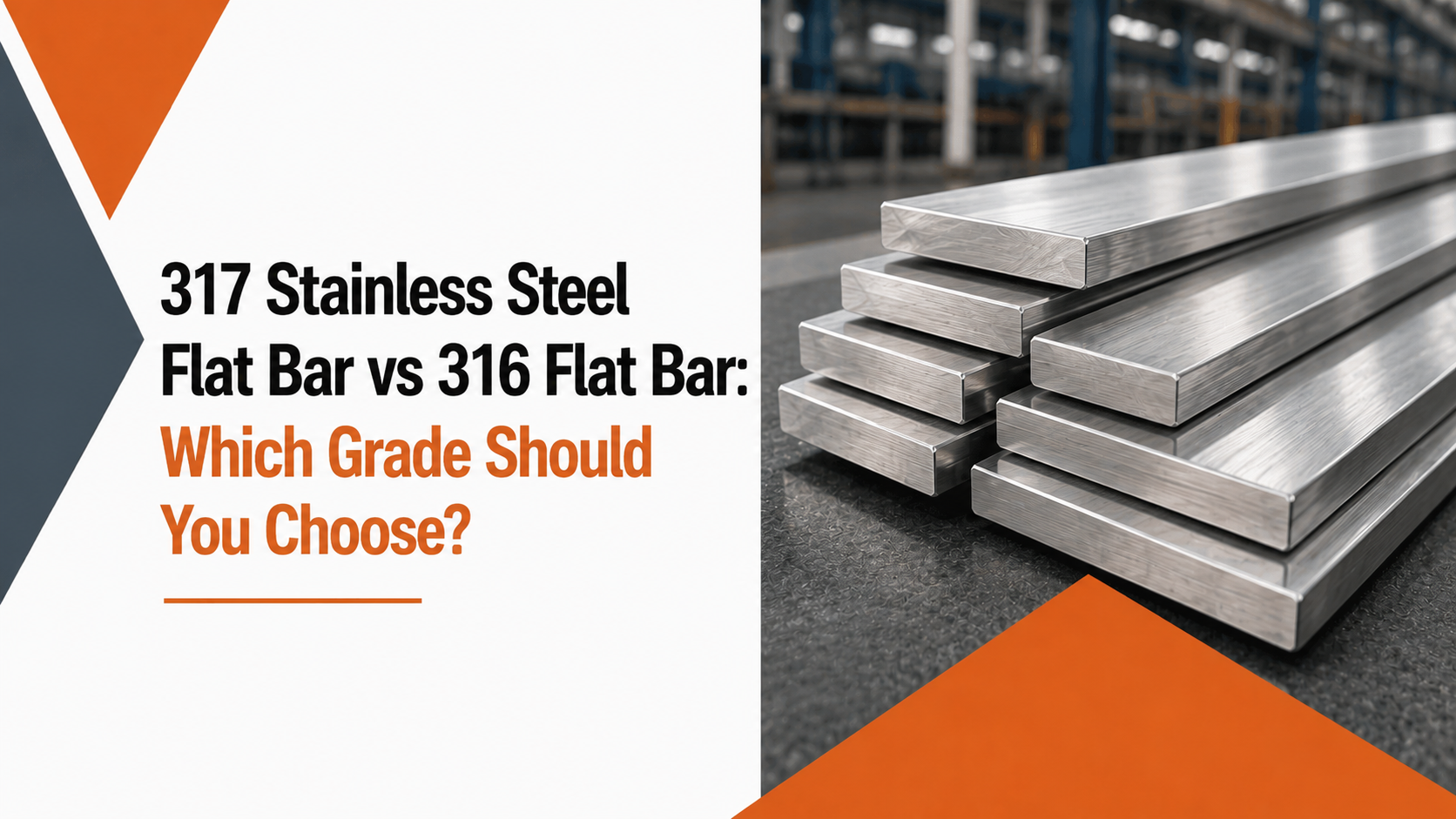
Stainless steel flat bars are used in fabrication, construction, engineering, and industrial applications. Grade selection is dependent on the corrosion resistance, service condition, temperature and strength. What Is a Stainless Steel Flat Bar? A stainless steel flat bar is a wide, thin rectangular section with square edges. Fabricators weld it into brackets, frames, structural supports, … Read more

Stainless Steel Flanges vs Carbon Steel Flanges: Key Differences, Applications & How to Choose the Right Material

347 stainless steel flat

Introduction Flanges hold piping systems together, and the material behind that connection affects far more than most people assume. Stainless steel flanges and carbon steel flanges both do the job of joining pipes, valves, and equipment, but they behave very differently once corrosion, pressure, and temperature enter the picture. Getting the material choice wrong doesn’t … Read more

Complete Guide to Stainless Steel Round Bars: Grades, Sizes & Uses

Complete Guide to Stainless Steel Round Bars

Stainless Steel Round Bars rank among the most widely specified engineering materials across manufacturing, construction, automotive, oil and gas, food processing, marine, and heavy engineering work. Their combination of strength, corrosion resistance, and machinability makes them a practical starting stock for everything from precision shafts to structural fasteners. Selecting the correct grade, size, manufacturing process, … Read more

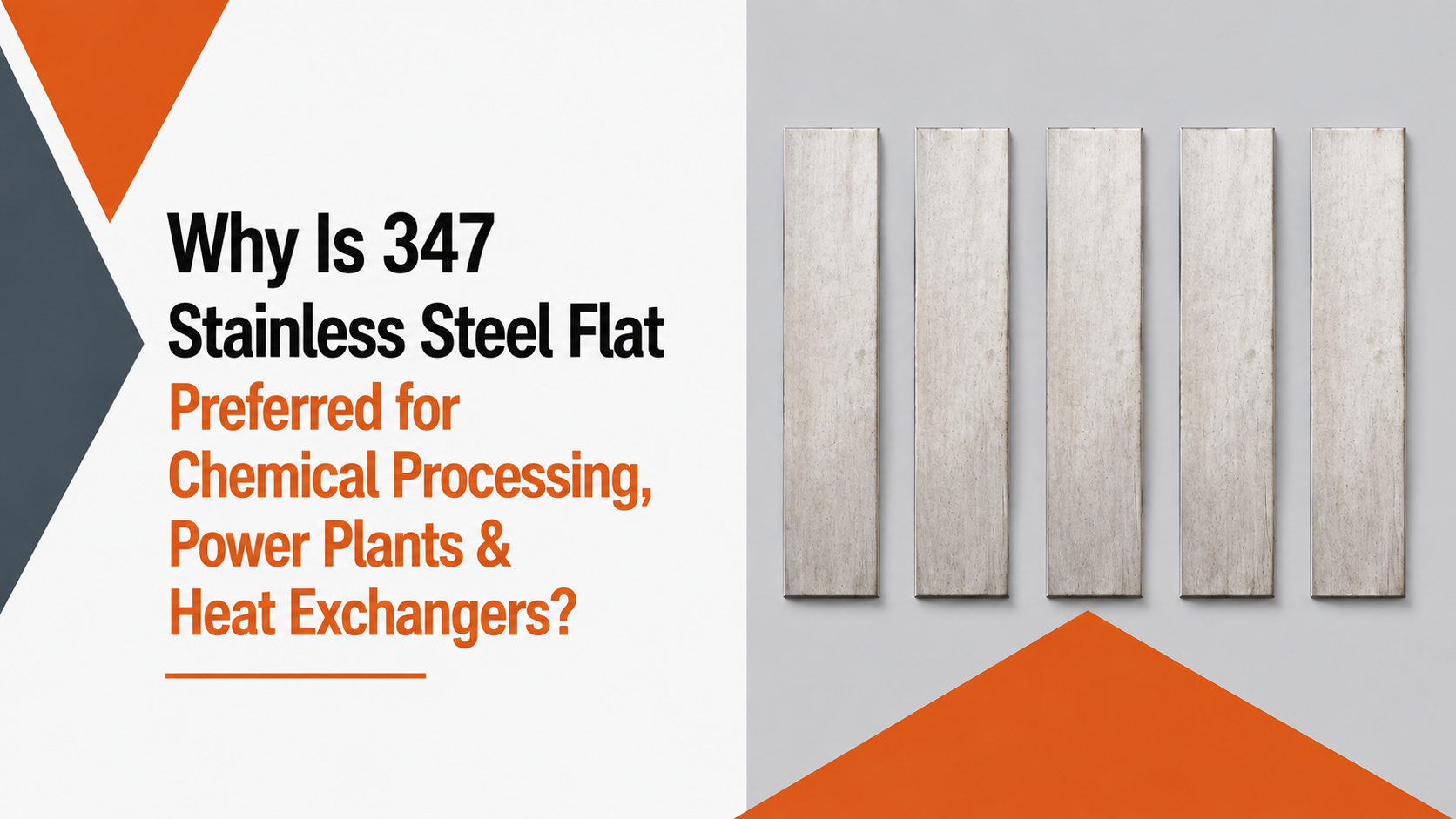
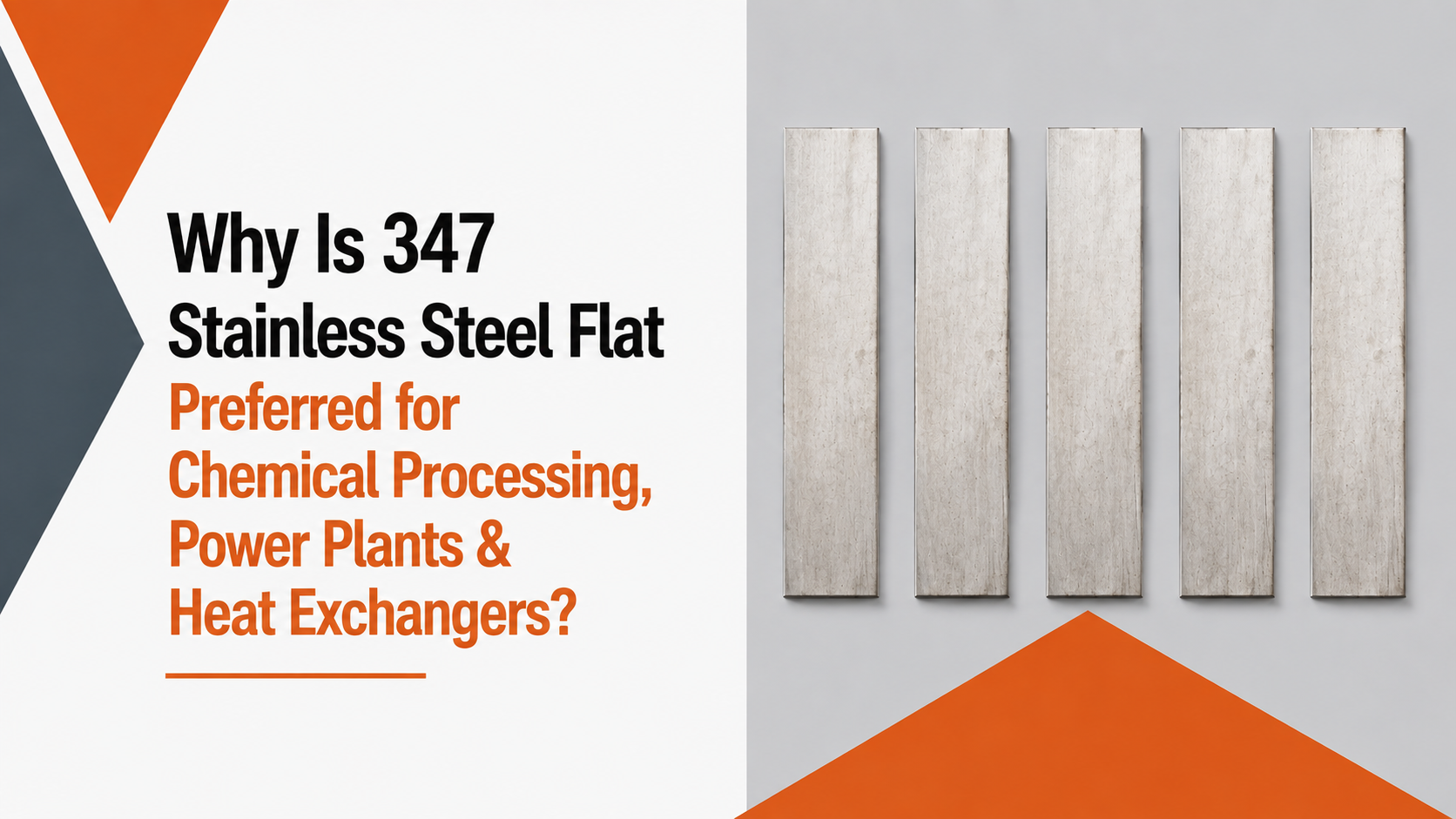
Why Is 347 Stainless Steel Flat Preferred for Chemical Processing, Power Plants & Heat Exchangers?

347 stainless steel flat

Introduction 347 stainless steel flat is a stabilized austenitic stainless steel product built to handle conditions that push standard stainless grades past their limits. In high-temperature and corrosive industrial environments, material selection directly determines how long equipment stays reliable before intergranular corrosion or thermal degradation forces a shutdown. Grade 347’s resistance to intergranular corrosion and … Read more

How to Select the Right Thickness for Stainless Steel 321 Circle Plates

How to Select the Right Thickness for Stainless Steel 321 Circle Plates

Selecting a grade of stainless steel helps engineers during procurement. Another aspect is thickness, which affects performance, ease of fabrication, and delivery cost. Specify a Stainless Steel 321 Circle Plate too thin for the pressure or heat cycle ahead of it, and the component fails early. If you specify it too thick, the extra metal … Read more

316 vs 316L Stainless Steel Plates: Which One Should You Choose?

316 vs 316L Stainless Steel Plates: Which One Should You Choose?

A single carbon percentage separates 316 from 316L stainless steel plates, but it decides whether a welded pressure vessel is able to survive chemical treatment or rusts at the weld within months. Engineers specifying plates for tanks, piping, or structural fabrication weigh that carbon gap against strength, cost, and the welding process. If the grade … Read more