Blog

How to Select the Right Thickness for Stainless Steel 321 Circle Plates

How to Select the Right Thickness for Stainless Steel 321 Circle Plates

Selecting a grade of stainless steel helps engineers during procurement. Another aspect is thickness, which affects performance, ease of fabrication, and delivery cost. Specify a Stainless Steel 321 Circle Plate too thin for the pressure or heat cycle ahead of it, and the component fails early. If you specify it too thick, the extra metal … Read more

316 vs 316L Stainless Steel Plates: Which One Should You Choose?

316 vs 316L Stainless Steel Plates: Which One Should You Choose?

A single carbon percentage separates 316 from 316L stainless steel plates, but it decides whether a welded pressure vessel is able to survive chemical treatment or rusts at the weld within months. Engineers specifying plates for tanks, piping, or structural fabrication weigh that carbon gap against strength, cost, and the welding process. If the grade … Read more

Why Engineers Prefer 310 Stainless Steel Circles for Heat Applications

310 SS Circles

Stainless steel circles are flat, disc-shaped blanks cut from SS sheets. Fabricators use them as stock for flanges, discs, base components, and other machined parts. Most standard grades work fine in normal conditions. The problem starts when temperatures go above 800°C and stay there for extended periods. That’s where many grades begin to scale, warp, … Read more

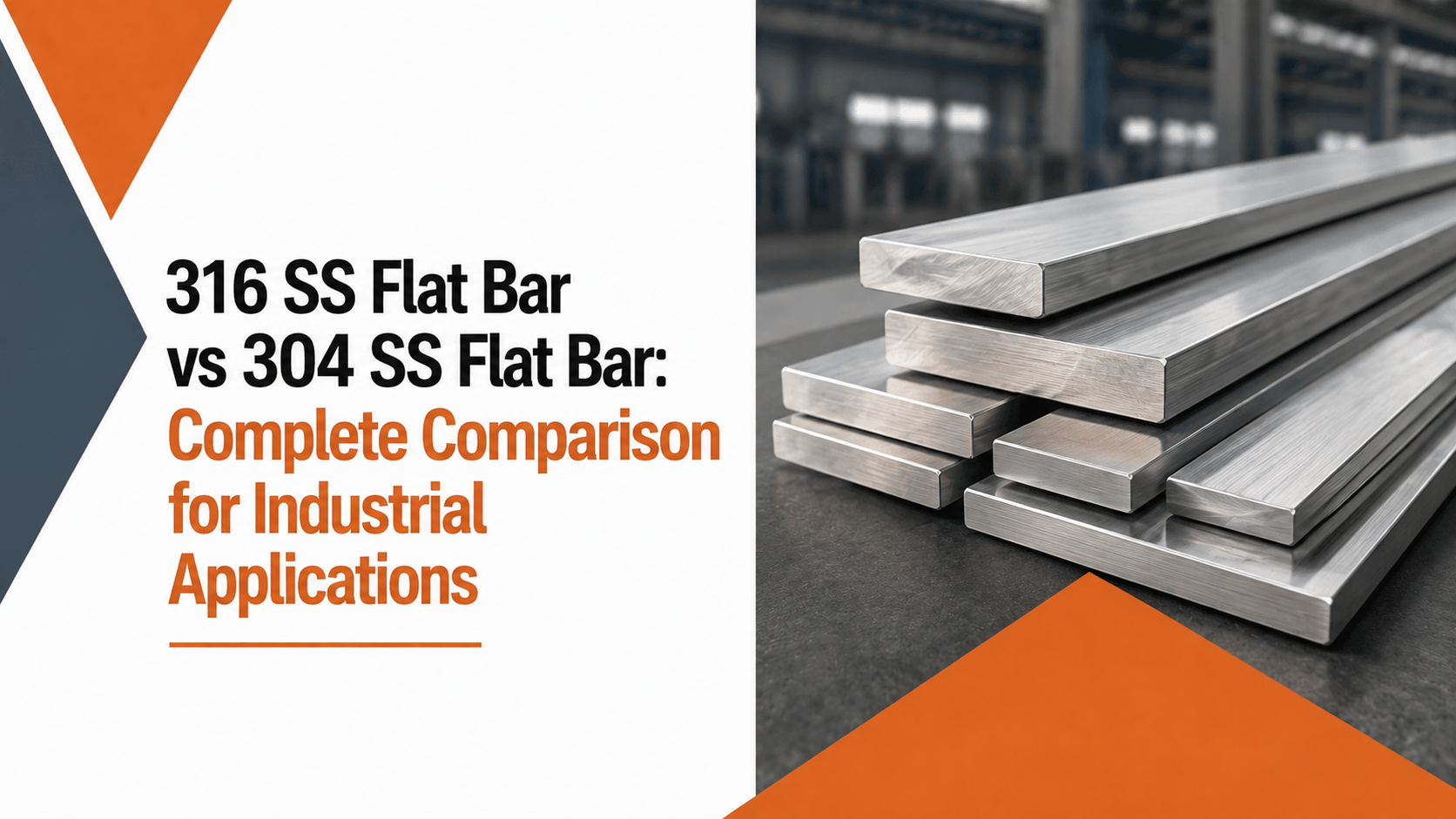
Factors Affecting Durability and Longevity of 316 SS Flat Bars

Stainless steel flat bars neatly stacked for fabrication and construction use

316 SS Flat Bars Stainless steel flat bars serve as the key component for various industrial structures, providing essential support in frameworks, braces, and supports. Engineers and project managers prioritize these components as they offer an excellent balance of strength and adaptability. Selecting the right material is vital to ensure that a project remains safe … Read more

SS 310 vs SS 304 Rings—Which Performs Better Under Extreme Heat?

Heavy forged steel rings stacked in manufacturing facility for engineering use

Selecting the right alloy for high-temperature industrial conditions is an important step in any engineering project. Stainless steel rings are critical components in systems such as furnaces, petrochemical equipment, and heat-processing gear that require absolute thermal stability. While various grades exist, SS 304 and SS 310 are the most commonly used for these demanding applications. … Read more

What Makes SS 347 Rings Suitable for High-Temperature Industrial Applications?

Three precision metal rings are displayed for machining and industrial applications

Industrial sectors are seeing an increasing demand for strong and durable materials. A rise in temperature may lead to oxidation and scaling. This decreases the strength of metals exposed to elevated heat. This may result in safety hazards and operational downtime. Stainless steel 347 is a specialized alloy designed to stay strong in high-temperature conditions. … Read more

What are the Different Stainless Steel Sheet Finishes?

Stainless Steel Sheet

Stainless steel sheet finishes add both functional and visual qualities to the metal. They determine how the surface looks, feels, and performs in specific applications. A well-chosen coating can make stainless steel more scratch-resistant, cleanable, and durable. The sheet is used in industrial equipment, building facades, kitchen surfaces, and decorative panels. Understanding the available finishes … Read more

SS Pipes : Applications, Types & their Uses

ss pipes

Stainless Steel (SS) Pipes are versatile components widely used in various industries due to their strength, durability, and corrosion resistance. This blog explores what are Stainless Steel Pipes? They are hollow cylindrical tubes made from stainless steel, known for withstanding high pressure and temperature. The Utilization of SS Pipes spans sectors like construction, oil & … Read more