

Stainless steel fasteners are major components to assemble or hold other materials together. Composed of high-grade stainless steel alloys, these fasteners withstand corrosion, perform well over extended periods, and are known to be durable. In this blog, we will understand the types of stainless steel fasteners such as bolts, nuts, screws, washers, and studs, which play particular functions in various fields. These fasteners boast excellent rust resistance and wear-resistance, perfect for varied applications.The uses of stainless steel fasteners span across construction, vehicle, marine, and manufacturing industries because of their reliable performance. Furthermore, the benefits of stainless steel fasteners like longevity, minimum maintenance, and visual appeal guarantee that they become a choice where both strength and looks are equally important, even if used indoors or outdoors.
Types of Stainless Steel Fasteners
There are several types of Stainless Steel Fasteners available in the market, each designed to meet specific requirements. The most common types include:
- Screws
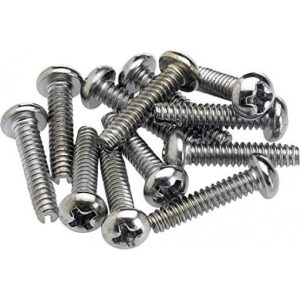
Stainless steel screws are also available in a number of forms including machine screws, wood screws, and self-tapping screws. They are utilized to hold materials together and are found in a range of head styles (flat, pan, and hex), sizes and thread types. - Bolts
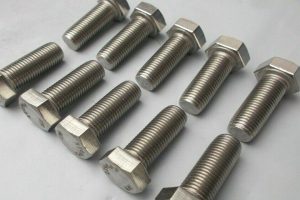
Stainless steel bolts are heavy-duty fasteners that are used for holding two or more parts in place. They usually have a head on one end and a threaded shaft on the other, and thus they suit applications wherein a nut is applied on the threaded end for tightening. - Nuts
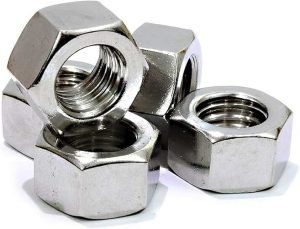
Nuts are threaded fasteners that are employed to join bolts and screws together. Stainless steel nuts come in different forms, such as hexagonal, square and winged are used with matching bolts to secure a firm grip. - Washers
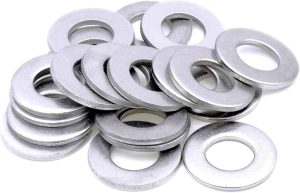
Washers are round, flat discs of stainless steel that serve to distribute the load evenly when tightening a bolt or screw. They prevent damage to the surface being fastened and also help in providing a tighter seal. - Rivets
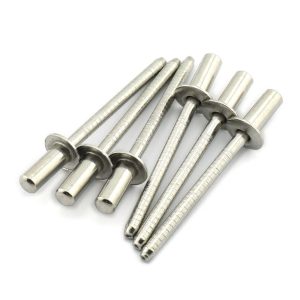
Rivets are employed to connect two or more materials permanently to each other, especially where welding or screws are inappropriate. Stainless steel rivets provide a strong and durable grip, even in conditions of high heat or corrosion potential. - Studs
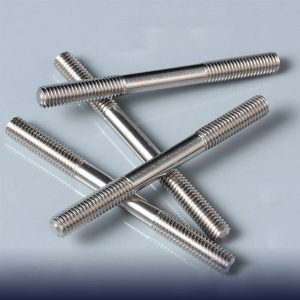
Stainless steel studs are threaded rods used in applications that require a strong connection, such as heavy machinery or industrial equipment. They can be used to join components that cannot be easily disassembled.
Uses of SS Fasteners
Stainless steel fasteners are used across a wide range of applications due to their strength and resistance to corrosion. Some of the most common uses include:
- Construction
Stainless steel fasteners are used widely in the construction sector, where they are utilized to fix structural components like beams, columns and walls. The fasteners give stability and strength to the structure and ensure the longevity of the building or structure. - Automotive
In the automotive sector, stainless steel fasteners are utilized to hold together different components, such as engine components, chassis, and exhaust systems. The fasteners are valued for their strength and resistance to corrosion, even in high-pressure and high-temperature applications. - Marine
Stainless steel fasteners are perfect for application in the marine sector because they possess superior resistance to corrosion by saltwater. They are applied in ship construction, dock buildings and other marine machinery to avoid rust, and provide long-term performance in extreme conditions. - Food Processing & Pharmaceuticals
Stainless steel fasteners are commonly applied in the food processing and pharmaceutical sectors where cleanliness and hygiene are essential. They are non-corrosive and do not require much cleaning effort to be in compliance with high sanitary standards. - Aerospace
Stainless steel fasteners are commonly applied in the food processing and pharmaceutical sectors where cleanliness and hygiene are paramount. The fasteners are non-corrosive, and simple to clean guaranteeing that they satisfy stringent sanitary requirements. - Electrical & Electronics
Stainless steel fasteners are utilized in joining electrical and electronics equipment so that the components are securely fixed despite vibrations and temperature fluctuations. They are usually employed in delicate components such as circuit boards and connectors.
Advantages of Stainless Steel Fasteners
Stainless steel fasteners have a variety of advantages, and they are the first choice for many applications. Some of the most important advantages are:
- Corrosion Resistance
Stainless steel fasteners possess better corrosion resistance, which is desirable where fasteners come into contact with chemicals, moisture and other corrosive materials. The corrosion resistance keeps the fasteners in a good state and functioning well for a long period of time. - Durability & Strength
Stainless steel fasteners are exceptionally durable and strong, which means they can handle high-stress loads without breaking or losing their effectiveness. This strength makes them suitable for applications requiring a reliable and long-lasting fastening solution. - Aesthetic Appeal
Stainless steel possesses a sleek, polished finish that not only adds to the appearance of the fasteners but also shields them from tarnishing or discoloration. This makes them a popular choice for visible applications in consumer goods and architectural designs. - Resistance to High Temperatures
- Stainless steel fasteners do not lose strength or lose their integrity even at high temperatures, so they are perfectly suited for use in high-temperature environments like exhaust systems, engines, and industrial equipment.
- Versatility
Stainless steel fasteners come in a vast array of sizes, shapes, and designs due to which they are suitable for a wide variety of industries and applications. For construction, electronics, or marine application, stainless steel fasteners have design flexibility and functionality. - Low Maintenance
Due to their corrosion resistance and durability, stainless steel fasteners require minimal maintenance. They are resistant to rust and staining, which means they don’t need frequent replacements or maintenance, reducing overall operational costs. - Eco-friendly
Stainless steel is a highly recyclable material, making fasteners made from it an environmentally friendly choice. These fasteners can be recycled at the end of their life cycle, contributing to sustainability efforts in manufacturing and construction.
Conclusion
Stainless steel fasteners are flexible, long-lasting, and reliable components utilized in different industries to hold materials together and maintain the strength and durability of products. From construction to marine applications, these fasteners have several advantages in terms of having a high resistance to corrosion, high strength and low maintenance. Whether it’s a minor project or a big industrial use, stainless steel fasteners are a wise investment for long-term success.